The Snail and the Whale PDF: A Comprehensive Guide (Updated 02/10/2026)
Dive into the enchanting world of “The Snail and the Whale” with our detailed guide! Discover readily available PDF versions,
spanning 32-36 pages and approximately 6 MB in size, hosted on platforms like Flip PDF, including contributions from RAK DIGITAL PUSAT SUMBER.
“The Snail and the Whale,” a beloved children’s book penned by Julia Donaldson and beautifully illustrated by Axel Scheffler, tells the captivating tale of an unlikely friendship. This heartwarming story follows a tiny snail who embarks on a remarkable journey on the back of a majestic humpback whale. The narrative beautifully explores themes of adventure, courage, and the importance of even the smallest creatures.
Currently, numerous digital versions of this enchanting story are accessible in PDF format. As of today, February 10th, 2026, over 759 flip PDFs featuring “The Snail and the Whale” are available online, offering convenient access to this cherished tale. These digital copies, ranging from 32 to 36 pages and typically around 6 MB in file size, are easily downloadable and shareable. Platforms like Flip PDF host these versions, with notable contributions from RAK DIGITAL PUSAT SUMBER, making the story readily available to readers worldwide.
About Julia Donaldson and Axel Scheffler
Julia Donaldson is a highly acclaimed British author, renowned for her playful rhymes and engaging storytelling, captivating children globally. She is a former Children’s Laureate and has sold millions of books worldwide. Her collaborative spirit shines through her numerous successful partnerships, most notably with illustrator Axel Scheffler.
Axel Scheffler, a German-British illustrator, is celebrated for his distinctive and expressive artwork. His illustrations bring Donaldson’s stories to life with vibrant detail and endearing characters. The duo’s synergy has produced a string of bestsellers, including “The Gruffalo” and, of course, “The Snail and the Whale.”
The widespread availability of “The Snail and the Whale” in PDF format is a testament to the book’s enduring popularity and the combined talents of Donaldson and Scheffler. Their work continues to inspire and delight readers of all ages, easily accessible through digital platforms like Flip PDF.
The Story’s Core Themes
“The Snail and the Whale” beautifully explores several profound themes, resonating with both children and adults. Adventure and Exploration are central, as the snail embarks on a remarkable journey around the world with the whale. This journey highlights the importance of friendship, showcasing an unlikely bond between two vastly different creatures.
The narrative also emphasizes bravery and self-belief; the small snail ultimately saves the whale, demonstrating that even the smallest individual can make a significant difference. Furthermore, the story subtly touches upon environmental awareness, depicting the beauty of diverse ecosystems – shimmering ice, coral caves, and vast oceans.
The easy accessibility of the story in PDF format allows these themes to reach a wider audience, fostering discussions about courage, kindness, and appreciating the world around us, readily available on platforms like Flip PDF.
Availability of “The Snail and the Whale” in PDF Format
“The Snail and the Whale” is widely accessible in PDF format, catering to convenient digital reading. As of today, February 10, 2026, a quick search reveals over 759 flip PDF versions readily available online. These digital copies allow readers to enjoy Julia Donaldson and Axel Scheffler’s beloved tale on various devices.
Several platforms host these PDFs, offering free downloads and viewing options. Notably, versions published by RAK DIGITAL PUSAT SUMBER are also circulating. The PDF versions generally range between 32 and 36 pages, with a typical file size of around 6 MB, ensuring relatively quick downloads.
This widespread availability makes the story easily obtainable for educational purposes, bedtime stories, or simply enjoying the magic of the narrative anytime, anywhere.
Where to Find Free PDF Versions (September 18, 2020)
Locating free PDF versions of “The Snail and the Whale” is surprisingly straightforward. As early as September 18, 2020, numerous websites and online libraries offered downloadable copies. Platforms specializing in flipped books, like Flip PDF, were key sources, hosting versions such as “The Snail and the Whale (S)”, spanning Pages 1-36.
These platforms allowed users to not only read the book online but also to download the PDF for offline access, completely free of charge. A simple search using keywords like “The Snail and the Whale PDF download” consistently yielded results pointing to these readily available resources.
However, it’s crucial to be mindful of copyright considerations when downloading from unofficial sources, ensuring responsible access to this delightful story.
Flip PDF Platforms Hosting the Book (January 21, 2021)
Flip PDF emerged as a prominent hub for accessing “The Snail and the Whale” in digital format. By January 21, 2021, the platform showcased multiple versions of the beloved tale, including “The Snail and The Whale”, specifically published by RAK DIGITAL PUSAT SUMBER. These digital editions spanned approximately 32 pages, offering an interactive reading experience.
Flip PDF’s functionality allowed users to virtually “flip” through the pages, mimicking the feel of a physical book, while also providing the convenience of a downloadable PDF. This accessibility made the story widely available to readers globally, fostering a love for Julia Donaldson’s enchanting narrative.
The platform’s ease of use and widespread reach contributed significantly to the book’s digital distribution and popularity.
RAK DIGITAL PUSAT SUMBER and the PDF Distribution
RAK DIGITAL PUSAT SUMBER played a key role in the digital dissemination of “The Snail and the Whale,” notably through its presence on Flip PDF. As of January 21, 2021, the organization published a version of the book on the platform, contributing to its wider online availability. This PDF edition, consisting of 32 pages, allowed readers to enjoy the story in a convenient, accessible format.
The organization’s involvement highlights a broader trend of educational institutions and resource centers embracing digital book distribution. By uploading “The Snail and the Whale” to Flip PDF, RAK DIGITAL PUSAT SUMBER facilitated access to literacy resources for a diverse audience.
Their contribution underscores the importance of collaborative efforts in promoting reading and learning in the digital age.
Page Count Variations in Different PDF Versions (32-36 Pages)
Variations in page count are noticeable across different PDF versions of “The Snail and the Whale,” ranging from 32 to 36 pages. This discrepancy often stems from differing editions, formatting choices, or the inclusion of supplementary materials like introductory notes or activity pages. For instance, a version discovered on Flip PDF on September 18, 2020, spanned 36 pages, labeled as “The Snail and the Whale (S).”
Conversely, RAK DIGITAL PUSAT SUMBER’s upload on January 21, 2021, featured a 32-page rendition. These differences don’t typically impact the core narrative but reflect variations in presentation. Readers should be aware of these distinctions when selecting a PDF version.
Ultimately, the story remains consistent regardless of the precise page number.
The Book’s Length and File Size (35 Pages, 6 MB)
Determining the ideal PDF for download often hinges on file size and page length. Generally, “The Snail and the Whale” PDF versions average around 35 pages, making it a relatively quick and accessible read for children. Coupled with this manageable length is a typically modest file size of approximately 6 MB.
This compact size ensures swift downloads, even on connections with limited bandwidth, and allows for easy storage on various devices – tablets, e-readers, or computers. The combination of a reasonable page count and small file size contributes to the book’s widespread availability and ease of sharing.
This makes it a convenient choice for parents and educators alike.
Beyond the Story: Snails and Whales in the Real World
Explore the fascinating creatures inspiring the tale! Discover details about Dove Snails, Humpback Whales, and Nassarius Snails, enriching your understanding beyond the PDF.
Dove Snails: Population Dynamics and Aquarium Considerations (April 1, 2020)
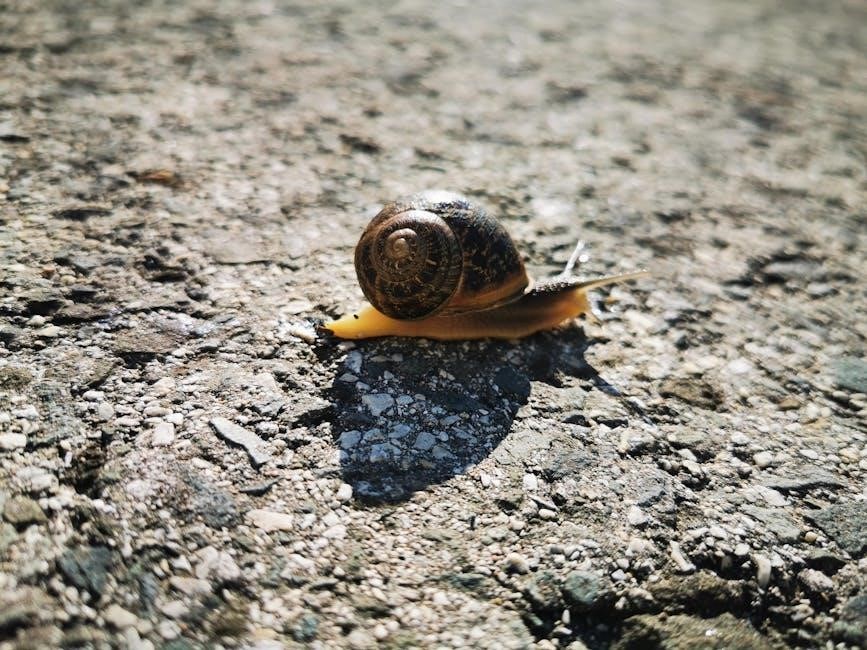
Dove Snails, often likened to the fictional “Tribbles” due to their rapid reproduction, present unique challenges and benefits within aquarium ecosystems. An observed population increase, as noted in April 2020, highlights their prolific breeding capabilities. Initially perceived as advantageous algae eaters, a burgeoning Dove Snail population can quickly overwhelm a tank.
Aquarists should be mindful of this dynamic, balancing the snails’ beneficial algae control with the potential for overpopulation. While self-sustaining populations sound ideal, unchecked growth can lead to resource competition and necessitate intervention. Understanding their reproductive cycle and implementing population control measures are crucial for maintaining a healthy aquarium environment. This consideration extends beyond the story, mirroring real-world ecological balances.
The availability of “The Snail and the Whale” PDF offers a delightful contrast to these practical aquarium concerns, yet both underscore the captivating nature of snails!
Humpback Whale Characteristics as Depicted in the Story
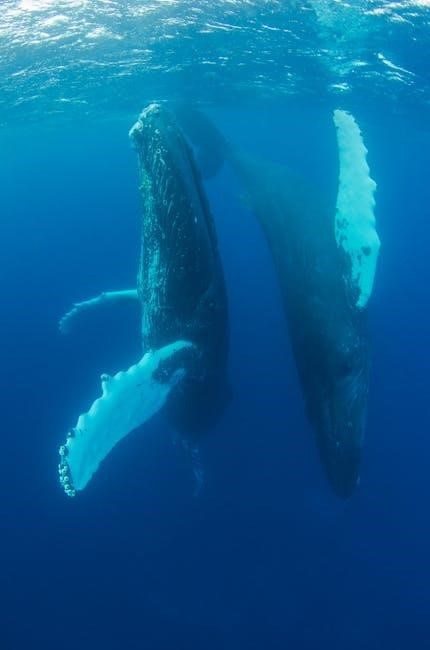
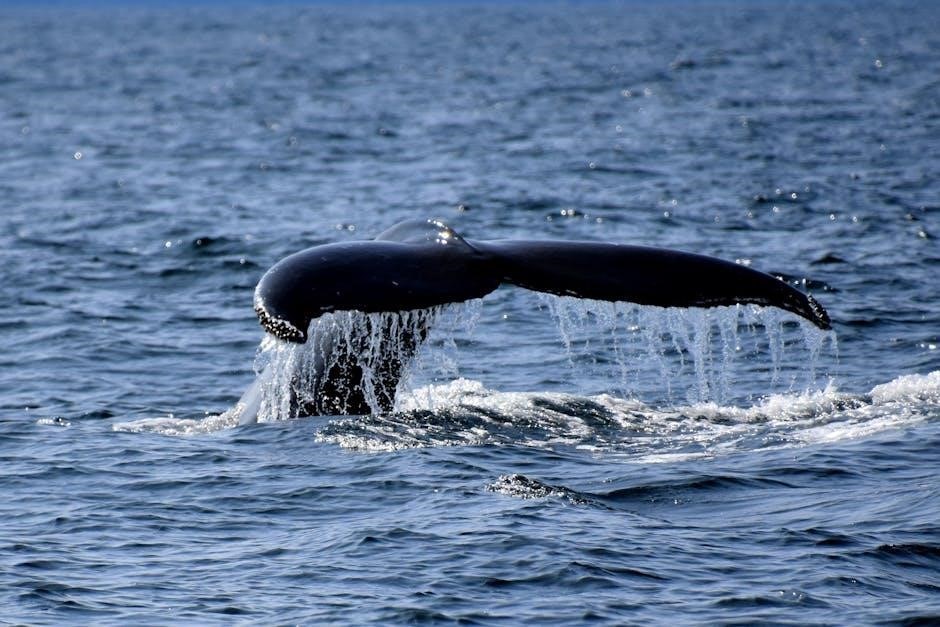
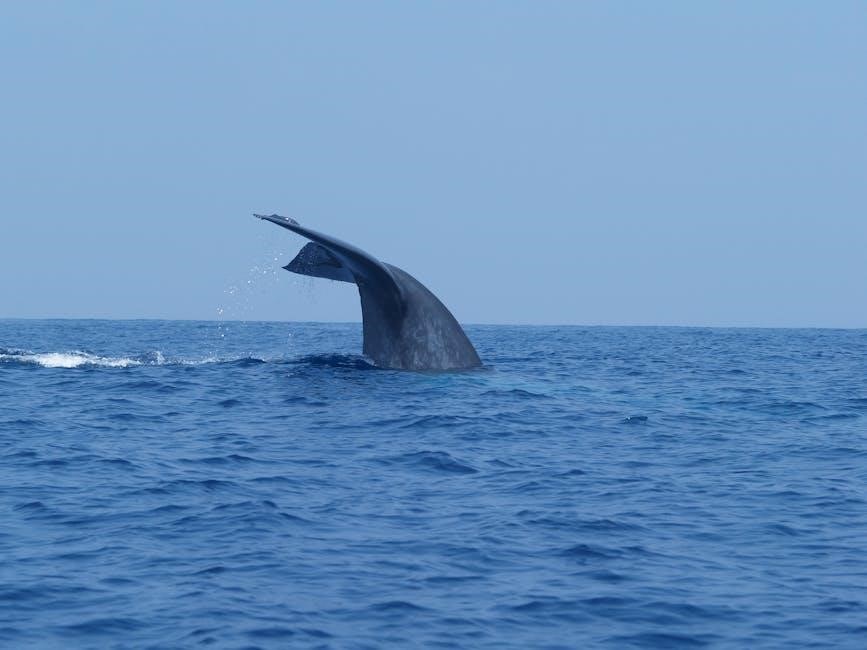
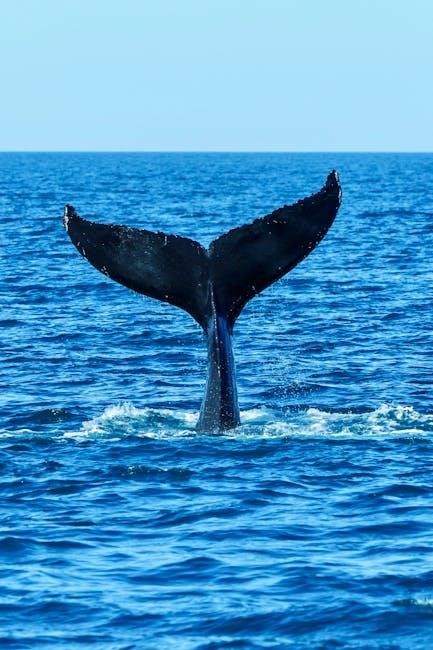
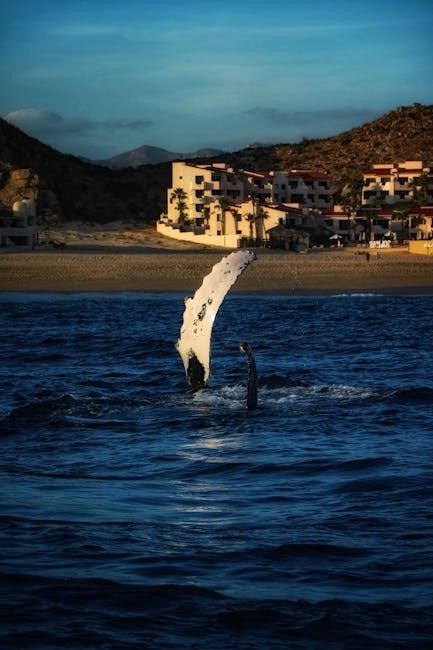
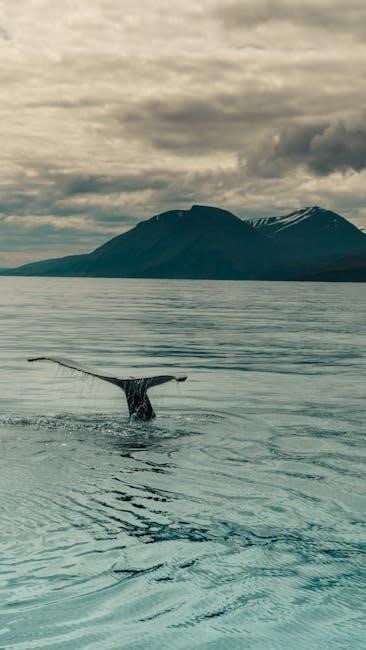
The majestic humpback whale in “The Snail and the Whale” is portrayed as a colossal and benevolent creature, embodying wonder and vastness. The narrative emphasizes its immense length and the beauty of its song, describing shimmering ice, coral caves, shooting stars, and enormous waves – all part of the whale’s world.
This depiction aligns with real-world humpback whale characteristics, known for their complex vocalizations and migratory patterns. The story’s imagery evokes the awe-inspiring scale of these marine mammals and the diverse ecosystems they inhabit. The whale serves as a vehicle for adventure, carrying the tiny snail across the globe, showcasing the contrast in size and the power of friendship.
Finding a PDF version of this tale allows readers to revisit these captivating descriptions and appreciate the story’s artistic representation of these magnificent animals.
Nassarius Snails: Breeding and Egg Hatching in Aquariums (February 2, 2020)
While seemingly distant from the narrative of “The Snail and the Whale,” observing the life cycle of snails, like Nassarius snails, offers a fascinating parallel to the story’s themes of small creatures and their environments. Aquarium keepers have noted Nassarius snails laying eggs, prompting questions about successful hatching.
Successful hatching requires understanding that fish often prey on the eggs, so providing a safe haven – a small gap inaccessible to fish – is crucial. The observation of breeding highlights the natural processes occurring even within contained ecosystems, mirroring the whale’s vast ocean world;
Accessing a PDF copy of “The Snail and the Whale” can inspire curiosity about marine life, extending beyond the story to real-world snail behaviors and aquarium ecosystems.
Identifying Nassarius Snail Eggs
Though a departure from the tale of “The Snail and the Whale,” understanding the appearance of Nassarius snail eggs is vital for aquarium enthusiasts hoping to witness their lifecycle. These eggs are typically small and often resemble tiny, gelatinous spheres or capsules. They are frequently deposited on the aquarium glass or other surfaces, sometimes appearing in clusters.
Distinguishing them from other snail eggs requires close observation. Their size, around ¾ inch like the unidentified snail-like creatures observed in aquariums, and texture can offer clues.
Finding a PDF version of “The Snail and the Whale” can spark an interest in marine biology, leading to further exploration of diverse snail species and their reproductive strategies, even within a home aquarium setting.
Providing Supplemental Calcium for Aquarium Snails (April 24, 2012)
While enjoying the heartwarming story of “The Snail and the Whale” in PDF format, aquarium keepers should also consider the calcium needs of their shelled inhabitants. Snails require calcium for shell growth and maintenance, and a deficiency can lead to weakened or damaged shells.
Although many snails obtain calcium from algae and other food sources, supplemental calcium is often beneficial. A simple recipe, dating back to April 24, 2012, involves unflavored gelatin – six packs dissolved and offered to the snails.
This ensures they receive adequate calcium, mirroring the strong shell of the adventurous snail in the beloved children’s book. Finding a PDF copy encourages a broader appreciation for the creatures featured in the story!
Gelatin-Based Recipes for Snail Nutrition
Inspired by the journey in “The Snail and the Whale” PDF, providing optimal nutrition for aquarium snails is crucial. Beyond algae, supplemental feeding can boost their health and vibrancy. A surprisingly effective method involves gelatin-based recipes, offering a readily available calcium source.
As detailed in a recipe from April 24, 2012, six packs of unflavored gelatin dissolved in water create a nutritious snack. This simple preparation ensures snails receive essential minerals for strong shell development, much like the resilient snail in the story.
Accessing the PDF version of the book can spark an interest in these fascinating creatures, prompting responsible care and a deeper understanding of their dietary needs. It’s a delightful connection between literature and practical application!
Snails and Slugs: A Broader Perspective
Expanding beyond “The Snail and the Whale” PDF, explore the world of garden snails, slugs, and even culinary escargot, revealing diverse snail species and behaviors.
Garden Snails and Slugs: Common Pests (May 27, 2011)
While “The Snail and the Whale” presents snails in a charming light, many gardeners know a different side – that of common pests. These mollusks, including both snails and their shell-less relatives, slugs, can wreak havoc on vegetable patches and flowerbeds. They feed on a wide variety of plants, leaving unsightly holes in leaves and potentially damaging young seedlings.
The phrase “slugs and snails and puppy-dog tails” playfully acknowledges their prevalence in gardens. Controlling these pests often requires a multi-faceted approach, ranging from hand-picking them off plants to employing barriers like copper tape or diatomaceous earth. Organic gardening methods prioritize non-toxic solutions, recognizing the broader ecosystem impact. Understanding their life cycle and preferred conditions is crucial for effective management, ensuring a thriving garden despite their presence.
Escargot: The Culinary Use of Edible Snails
Beyond their role as garden pests, snails hold a surprising place in human cuisine, most notably as escargot – a French delicacy. This dish features edible snails, typically prepared with garlic, parsley, and butter, then baked or grilled. While seemingly unusual to some, the practice of consuming snails dates back centuries, with evidence found in prehistoric settlements.
Specific snail species are cultivated for consumption, ensuring quality and safety. The preparation of escargot is an art form, requiring careful cleaning and cooking to achieve the desired texture and flavor. It represents a fascinating contrast to the image of snails presented in “The Snail and the Whale,” highlighting their diverse roles – from storybook companions to a gourmet experience.
Unidentified Snail-Like Creatures in Aquariums (March 26, 2025)
Aquarium enthusiasts sometimes encounter puzzling organisms resembling snails but lacking a prominent shell. These creatures, approximately ¾ inch in size, exhibit behaviors similar to Nassarius snails – scavenging and burrowing – yet their shell-less form raises questions about their identification. Observations suggest a tube-like structure at the front, differentiating them from typical snail species.
Determining the exact nature of these organisms requires careful examination and comparison with known species. They may represent a larval stage of a shelled snail, a unique species, or even a completely different type of marine invertebrate. While not directly related to “The Snail and the Whale,” this mystery underscores the vast biodiversity found even within contained environments, mirroring the ocean’s unexplored depths.
Distinguishing Features of Different Snail Species
Identifying snails accurately requires observing key characteristics. Shell shape, size, and coloration are primary differentiators. For example, Dove snails, noted for their rapid population growth, possess distinct shell patterns. Nassarius snails, common in marine aquariums, are recognized by their elongated shells and scavenging behavior. Garden snails, often considered pests, exhibit spiral shells and a preference for leafy vegetation.
Beyond the shell, consider the snail’s behavior and habitat. Some snails are algae eaters, while others consume detritus. Observing these habits aids identification. While “The Snail and the Whale” features a generalized snail, real-world species display remarkable diversity. Understanding these distinctions is crucial for aquarium maintenance and garden pest control, enriching our appreciation for these often-overlooked creatures.
Shell-less Snail-Like Organisms: Potential Identification
Encountering shell-less, snail-like creatures in an aquarium can be perplexing. These organisms, approximately ¾ inch in size, often mimic the behavior of Nassarius snails, scavenging along the substrate. However, the absence of a shell immediately signals a different species. Potential identifications include nudibranchs, sea slugs, or larval stages of certain marine invertebrates.
Distinguishing features beyond shell presence are vital. Observe the organism’s locomotion, feeding habits, and any visible anatomical structures. A tube-like projection at the front may indicate a specific feeding mechanism. Careful observation and comparison with online resources or aquarium experts are crucial for accurate identification. While not directly related to “The Snail and the Whale,” understanding these creatures enhances aquarium ecosystem knowledge.
PDF Accessibility and Copyright
Ensure digital inclusivity! Consider PDF accessibility for all readers, respecting copyright laws when downloading. Free PDFs may have limitations; explore legal eBook alternatives.
Ensuring PDF Accessibility for All Readers
Creating an inclusive reading experience is paramount. When accessing “The Snail and the Whale” in PDF format, it’s crucial to consider accessibility features for all potential readers. This includes ensuring the document is compatible with screen readers, allowing visually impaired individuals to enjoy the story.
Properly tagged PDFs, with defined headings and alternative text for images, are essential. These features enable assistive technologies to interpret the content accurately. Furthermore, consider the font size and color contrast to enhance readability for those with visual impairments or dyslexia.
Many PDF creation tools offer accessibility checks to identify and rectify potential issues. Prioritizing accessibility not only broadens the audience for this beloved tale but also demonstrates a commitment to inclusivity in digital publishing. Remember, a universally accessible PDF benefits everyone.
Copyright Considerations When Downloading PDFs
Respecting intellectual property is vital when accessing digital content. Downloading PDF versions of “The Snail and the Whale” necessitates awareness of copyright laws. While free PDF versions may be available on platforms like Flip PDF, it’s crucial to ascertain their legitimacy. Unauthorized distribution of copyrighted material is illegal and unethical.
Officially published PDFs, purchased through authorized retailers, guarantee compliance with copyright regulations. Be cautious of websites offering free downloads that may infringe upon the author, Julia Donaldson, and illustrator Axel Scheffler’s rights. Supporting creators through legitimate channels ensures continued production of quality children’s literature.
Always verify the source and terms of use before downloading any PDF. Prioritize legal and ethical access to enjoy “The Snail and the Whale” responsibly.
Legality of Free PDF Downloads
The legality of downloading “The Snail and the Whale” as a free PDF is complex. Generally, accessing copyrighted material without proper authorization is unlawful. While numerous websites host free PDFs, many operate outside legal boundaries, potentially infringing on Julia Donaldson and Axel Scheffler’s copyright;
Downloading from unofficial sources carries risks, including malware and supporting illegal activities. Platforms like Flip PDF host user-uploaded content, and the legality depends on the uploader’s permissions. RAK DIGITAL PUSAT SUMBER’s distribution requires scrutiny regarding licensing agreements.
Legitimate free PDFs might be available through promotional offers or library services. Always prioritize authorized sources to ensure compliance with copyright law and support the creators of this beloved children’s book.
Alternative Formats: eBooks and Online Reading Platforms
Beyond PDF downloads, “The Snail and the Whale” is widely accessible in various digital formats. eBooks, compatible with devices like Kindles and iPads, offer a convenient reading experience. Major online booksellers provide the title for purchase, ensuring legal access and supporting the authors.
Subscription-based online reading platforms, such as Epic! and similar services, frequently include “The Snail and the Whale” in their libraries, offering unlimited access for a monthly fee. These platforms often feature interactive elements and read-aloud options, enhancing engagement.
Exploring these alternatives provides a secure and legal way to enjoy the story, bypassing the risks associated with unauthorized PDF downloads. They also often offer enhanced features compared to static PDF files.
Future Trends in Digital Book Distribution
The digital landscape for children’s books, including titles like “The Snail and the Whale,” is rapidly evolving. We anticipate increased integration of augmented reality (AR) features within eBooks, bringing the story to life with interactive animations and 3D models. Subscription models will likely become more dominant, offering bundled access to vast libraries.
Blockchain technology could emerge as a solution for secure copyright management and transparent royalty distribution for authors and illustrators. Personalized reading experiences, tailored to a child’s reading level and preferences, are also on the horizon.
Accessibility features, ensuring inclusivity for all readers, will continue to improve. Expect more sophisticated voice narration and text-to-speech capabilities. The demand for convenient, legal digital access will drive these innovations.